By the Atkins Agency
Owning acreage in Aledo gives you room to dream, and the land itself often becomes the biggest project. Whether you have five rolling acres or a full working ranch, the way you shape the ground around your home sets the tone for everything from your morning view to how quickly your property sells down the road.
Landscaping on a large Parker County lot is a different craft than tending a suburban yard, and the choices you make early will save you water, time, and money.
The good news is that Aledo's terrain, native plant palette, and open skies give you a lot to work with once you understand how to plan for scale. You are not just filling flower beds; you are managing pasture, framing long sightlines, protecting soil, and creating pockets of shade and color that hold up to summertime in North Texas.
Key Takeaways
- Native and drought-tolerant plants suited to Parker County's clay soils and hot summers require less water and upkeep than imported ornamentals.
- Dividing acreage into functional zones, such as an entrance, a home landscape, and open pasture, keeps a large property manageable and visually cohesive.
- Live oak, cedar elm, and Texas red oak are among the strongest tree choices for Aledo ranch properties, offering shade and long-term durability.
- Smart grading, native ground cover, and rainwater capture protect Parker County acreage from erosion and drainage problems.
What Landscaping Works Best for Aledo Acreage and Ranch Properties?
The landscaping that works best for Aledo acreage is built around native, drought-tolerant plantings that suit Parker County's clay-heavy soils, hot summers, and periodic dry spells. This approach keeps maintenance low, water bills reasonable, and the overall look tied to the North Texas landscape that drew you to Aledo in the first place.
Large lots reward a lighter touch. On a ranch property, you are not trying to manicure every square foot; you are creating intentional areas of interest near the home and outbuildings while letting the rest of the acreage read as natural pasture or prairie.
Plants That Thrive in Parker County Homes
- Native grasses, such as little bluestem and buffalograss, handle drought and require minimal mowing across open acreage.
- Perennials, including black-eyed Susan, salvia, and Texas lantana, bring color that returns each year without heavy watering.
- Hardy shrubs, such as Texas sage and dwarf yaupon holly, hold their shape through hot summers and cold snaps.
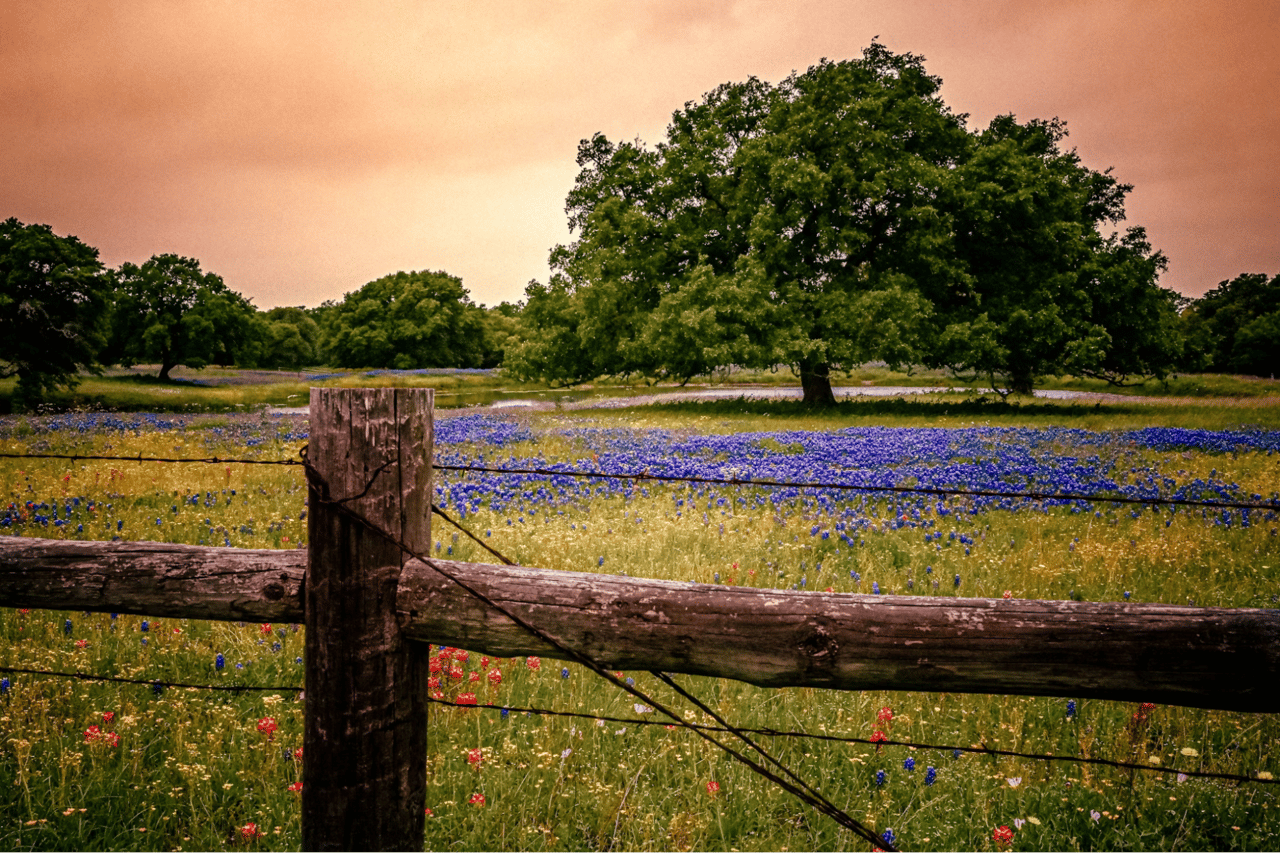
- Wildflower seeding across unused pasture areas creates seasonal bursts of color with almost no ongoing upkeep.
How Do You Design Landscaping Around a Large Aledo Lot?
The best way to design landscaping around a large Aledo lot is to divide the acreage into functional zones so that each area has a clear purpose and level of upkeep.
Sightlines matter enormously on ranch properties. As your Aledo real estate specialists, we often see how much these framed views influence a buyer's first impression, so it is worth planning them deliberately.
Zones Worth Planning For
- An entrance zone along the driveway sets the tone with trees, fencing, and a defined approach to the home.
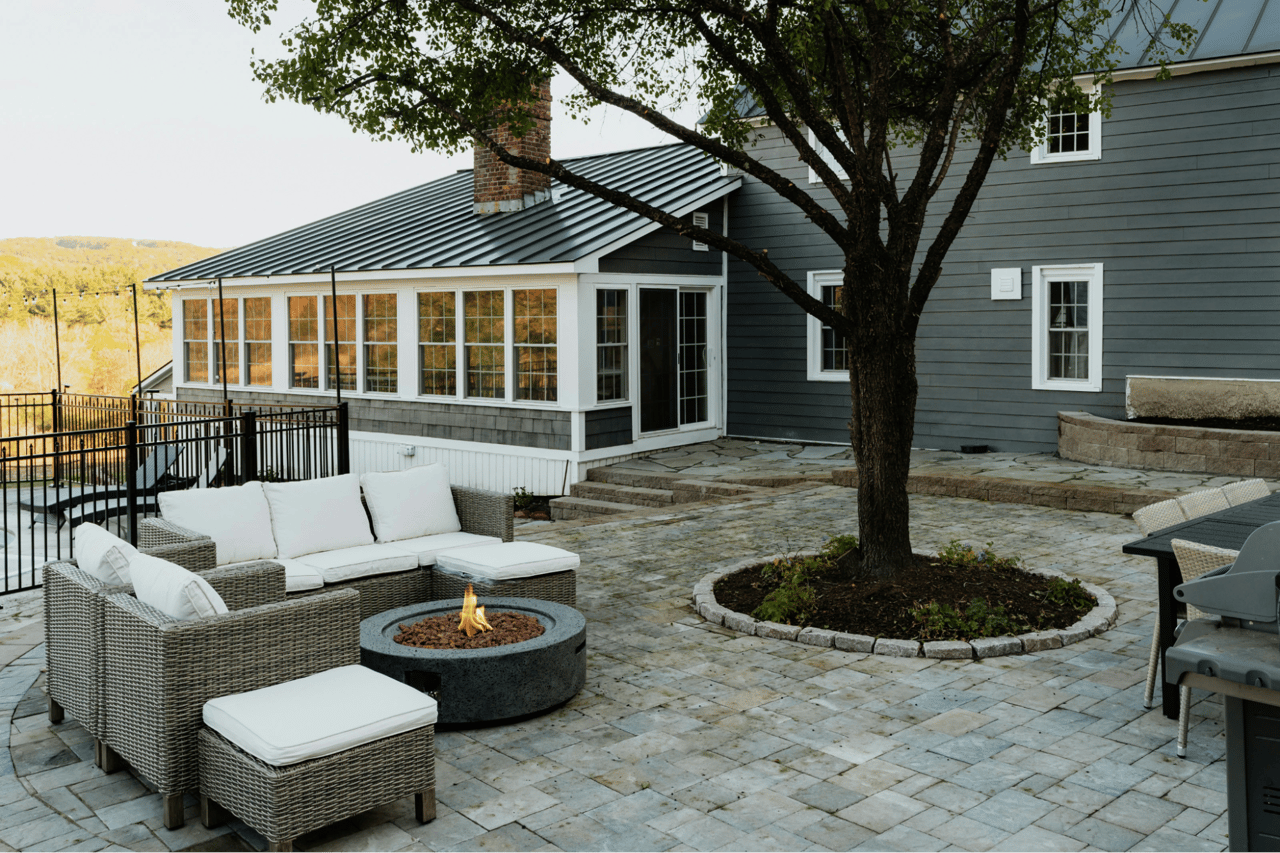
- A landscape zone near the house holds your most detailed beds, shade, and outdoor gathering areas.
- A transition zone eases the shift from manicured space to open land with native grasses and hardy perennials.
- An open pasture or meadow zone keeps the bulk of the acreage low-maintenance and natural.
What Are the Best Trees and Native Grasses for Aledo Ranch Properties?
The best trees for Aledo ranch properties are live oak, cedar elm, and Texas red oak, all of which offer shade, strong root systems, and long lifespans in Parker County soil. Trees are the single most valuable landscaping investment on acreage because they take years to mature, so planting the right species early pays off enormously.
Shade is not a luxury on North Texas acreage; it is a practical tool. A cluster of oaks near the house can lower cooling costs and create comfortable outdoor space during long summers.
Trees and Grasses to Consider
- Live oak provides broad, lasting shade and stands up to Parker County's heat and drought.
- Cedar elm and Texas red oak add seasonal color and grow well in local clay soils.
- Little bluestem and Indiangrass give open acreage texture, movement, and low-water ground cover.
- Eastern red cedar works as a natural windbreak along fence lines and property boundaries.
How Do You Handle Water and Drainage on Parker County Acreage?
Managing water on Parker County acreage starts with proper grading, native ground cover, and rainwater capture that direct runoff away from structures and hold moisture where plants need it. Clay-heavy soil sheds water quickly during heavy rain and hardens during dry stretches, so drainage planning protects both your home and your landscaping investment.
Simple, natural solutions tend to work best on ranch properties. Swales and gentle berms guide water across the land instead of letting it pool near the foundation.
Water-Smart Features to Add
- Swales and berms channel runoff away from the home and across the property in a controlled way.
- Deep-rooted native plantings hold soil in place on slopes and reduce erosion.
- A rain garden or stock pond turns natural low points into functional, attractive features.
- Rainwater collection from rooftops stores water for irrigation through dry Parker County summers.
FAQs
What Landscaping Is Low Maintenance for Aledo Acreage?
The lowest-maintenance landscaping for Aledo acreage relies on native grasses, drought-tolerant perennials, and hardy shrubs that thrive without constant watering or mowing. Buffalograss, little bluestem, Texas sage, and wildflower seeding across open areas all hold up beautifully in Parker County's conditions.
When Is the Best Time to Plant in Parker County?
The best time to plant trees, shrubs, and perennials in Parker County is fall, when cooler temperatures and steadier rainfall help roots establish before summer heat arrives. Early spring is a second choice for many perennials and grasses.
How Do I Keep Pastures Healthy on My Aledo Ranch Property?
Keeping pastures healthy on an Aledo ranch property comes down to managing grass growth, controlling weeds, and avoiding overgrazing. Rotational management, occasional mowing, and reseeding thin areas with native grasses keep pasture productive and attractive.
Landscaping Your Aledo Acreage for the Long Haul
Landscaping acreage in Aledo is about working with the land. When you choose native plants, plan your property in functional zones, and invest early in the right trees, you create a place that looks polished, stays manageable, and holds its value through every season. The rolling terrain and open skies of Parker County give you an incredible canvas, and a little strategy goes a long way toward making the most of it.
At the Atkins Agency, we know Aledo acreage and the Parker County real estate market inside and out, and we love helping owners understand what makes their land a standout. If you are thinking about buying, selling, or simply want guidance on getting your property ready, reach out to our team. We would be glad to walk your land with you, share what today's buyers are looking for, and help you take the next step.