Wondering why a beautiful home is not enough on its own in today’s market? In Tarrant County, even a fine home needs a thoughtful plan before it goes live. If you are preparing to sell a higher-value property, the right mix of pricing discipline, presentation, and launch readiness can help you stand out. Let’s dive in.
Why preparation matters in Tarrant County
Tarrant County is not moving like an ultra-tight market where almost anything sells quickly. In early 2026, county median prices were reported around $342,000 to $348,000, with about 3.0 to 3.2 months of inventory and average days on market near 67 to 68 days. That means buyers still have choices, even though inventory remains below the four to five months that Texas REALTORS® notes generally signals a balanced market.
For a fine home, that matters. When buyers have more options, they tend to compare condition, design, and perceived value more carefully. A polished listing can still perform well, but it usually does so because the home is prepared with intention rather than simply listed and left to the market.
Fort Worth pricing also shows why local nuance matters. Median prices there were roughly $323,500 to $337,390 in the same reporting period, which is a reminder that Tarrant County is made up of many different micro-markets. Your pricing and prep strategy should reflect your specific area, property style, and buyer expectations.
Start with condition and documentation
Before you think about photography or showings, it helps to understand the home’s true condition. A pre-sale inspection is not required, but it can reveal issues with roofing, plumbing, electrical, HVAC, insulation, fireplaces, and other systems before a buyer discovers them. In some cases, it may also flag concerns such as mold, radon, lead paint, or asbestos.
That early knowledge gives you options. You may decide to make repairs, adjust pricing, or prepare clean documentation so buyers know what to expect. For a fine home, fewer surprises often leads to a smoother conversation once the listing is live.
It is also wise to gather estimates for major items, even if you do not plan to fix them before selling. Costs tied to a roof, HVAC system, or large appliances can shape negotiations later. Knowing those numbers in advance helps you respond calmly and make informed decisions.
Gather permits early
If your home has been remodeled, expanded, or customized, collect permit records before going to market. Fort Worth requires residential permits for work such as demolition of interior walls, removal of a building, carports, and foundation work. Arlington states that a permit must be issued before any work that requires one.
If the property is in a floodplain, Tarrant County requires a floodplain development permit before work starts. This is especially important for additions, structural changes, pools, and foundation-related improvements. Keeping permits, plans, and final inspection records organized can help reduce buyer uncertainty.
Prepare required disclosures
Texas sellers of previously occupied single-family homes must complete the TREC Seller’s Disclosure Notice. The current form includes questions about insurance coverage, private roads, aboveground storage tanks over 500 gallons, and conservation easements. If your home was built before 1978, it also needs the federal lead-based paint addendum.
For higher-value properties, disclosure details can be more layered because of added systems, site features, or custom improvements. Completing paperwork early gives you time to verify answers and gather supporting information. That kind of preparation supports a smoother listing process.
Focus on high-impact updates
A fine home does not always need a full renovation before sale. In many cases, targeted refreshes create a stronger return than major remodeling. The goal is not to erase every sign of living there, but to present the home as clean, cared for, and easy for buyers to picture as their own.
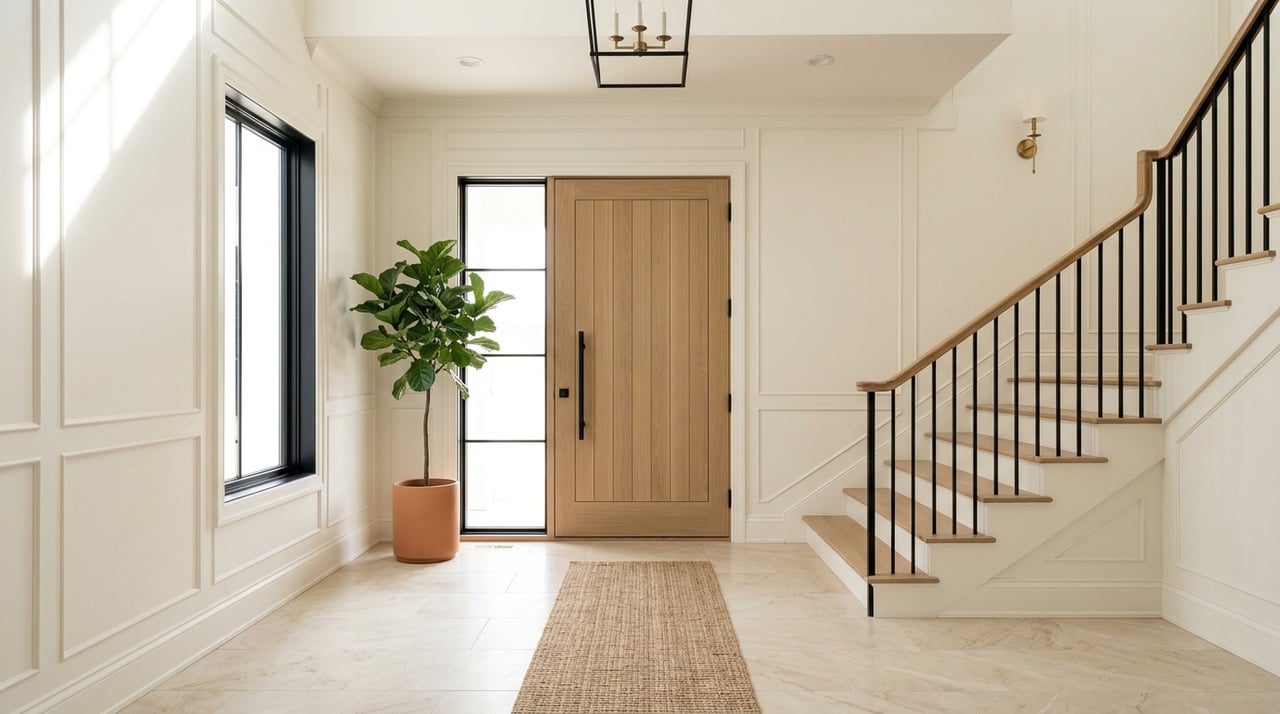
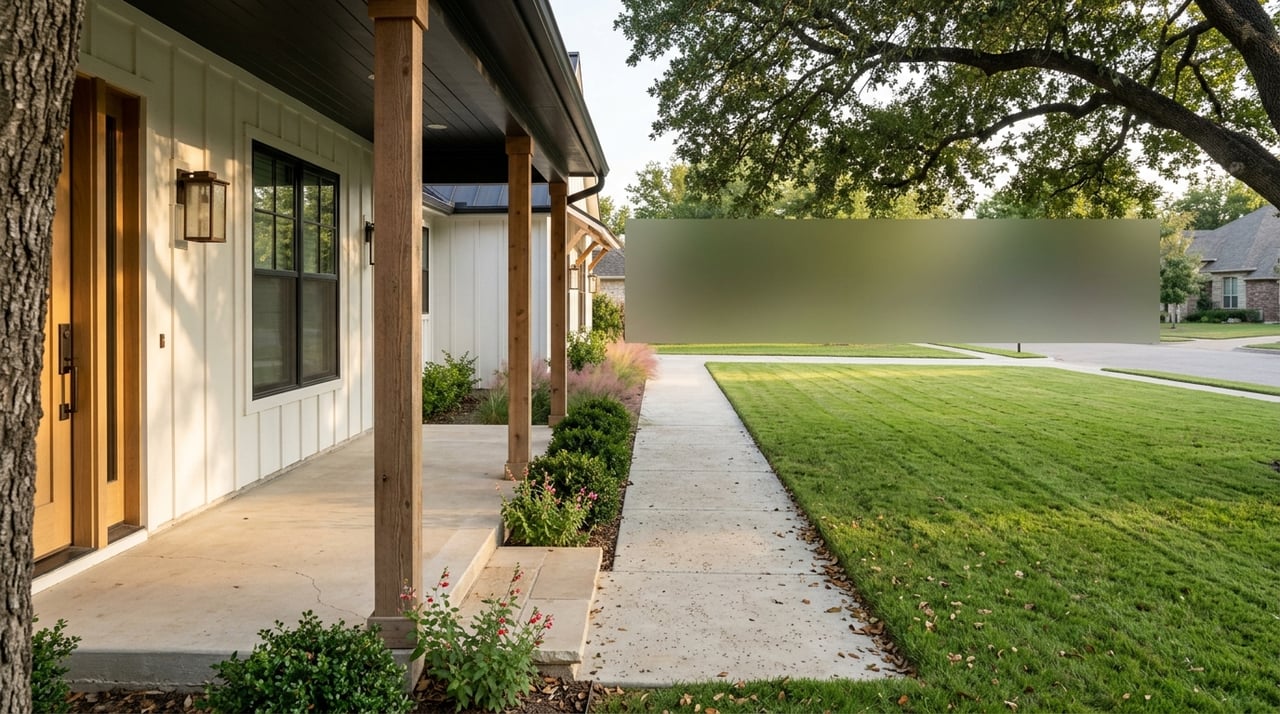
Practical improvements often include cleaning windows, carpets, lighting fixtures, and walls. Decluttering is equally important because it helps buyers focus on the architecture, room size, and natural light instead of your belongings. A fresh front entrance, neat landscaping, and selective paint touch-ups can also improve first impressions.
For custom or design-forward homes, restraint usually works better than overcorrection. Buyers tend to respond well to spaces that feel edited and calm rather than heavily personalized. That often means fewer personal photos, less visual clutter, and a more neutral look in key rooms.
Stage the rooms that matter most
Staging is not just about style. It helps buyers understand how the home lives. According to NAR’s 2025 Profile of Home Staging, 83% of buyers’ agents said staging makes it easier for buyers to visualize a property, and nearly half of sellers’ agents said it reduced time on market.
The same report found that 31% of buyers’ agents said buyers were more willing to walk through a staged home they had seen online. Another 29% of agents said staging increased the dollar value offered by 1% to 10%. In a market where buyers have options, that can be meaningful.
Prioritize the most important spaces
If you are staging selectively, start with the rooms that usually carry the most weight:
- Living room
- Primary bedroom
- Kitchen
- Dining room
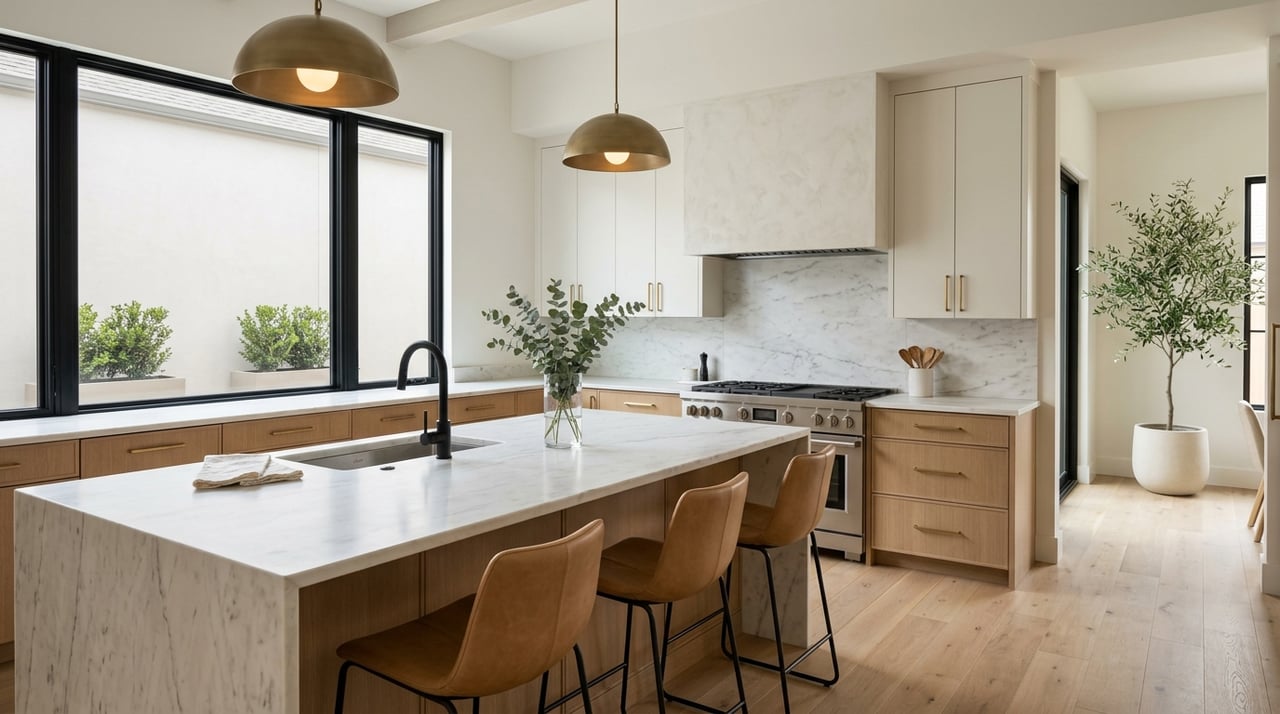
These spaces tend to shape the emotional and visual impression of the home. Guest rooms and secondary bedrooms matter, but they usually come after the main living areas in priority.
Do not overlook outdoor living
Outdoor or yard space was staged in 31% of listings in NAR reporting. That is especially relevant for fine homes where patios, pools, porches, and exterior entertaining areas may be part of the value story. Clean cushions, styled seating areas, swept surfaces, and trimmed landscaping can help those spaces read well in person and online.
If your budget allows, professional staging is a normal part of the luxury listing process. NAR reported a median cost of $1,500 for staging services, and sellers’ agents ranked design quality and price as the top factors when choosing a stager. For distinctive homes, skilled design guidance can help the property feel elevated without looking forced.
Build a strong digital first impression
Most buyers begin online, and that first look matters more than ever. NAR reports that 52% of buyers found the home they purchased online, and 81% rated listing photos as the most useful feature in their search. That means your listing package should be treated as part of the sale strategy, not an afterthought.
The first few days online also carry extra weight. Early engagement can influence visibility, so it is important to launch only when the home is fully ready. If photos go live before the home is polished, you may not get a second chance to make the same impact.
What a fine-home listing package should include
For many higher-value listings, a strong digital package should include:
- Professional photography
- Video
- A virtual tour
- Floor plans
NAR’s 2025 staging report found that buyers’ agents rated photos, physical staging, videos, and virtual tours as important to clients. Floor plans are especially useful because they help buyers understand room sizes, flow, and layout before they visit.
Make the home photo-ready
Before photography day, make sure the home is fully camera-ready. That usually means:
- Removing visible clutter
- Cleaning surfaces and glass
- Freshening exterior areas
- Checking lighting throughout the home
- Choosing lead rooms and exterior angles carefully
A fine home should feel intentional in every frame. Bright, clean, well-composed images can help buyers stop scrolling and take the next step.
Plan for smart-home details
Many fine homes include connected systems for lighting, security, HVAC, audio, or entry access. If your home has smart technology, decide early what will stay and what will go. That avoids confusion later and helps buyers understand exactly what is included.
It is also smart to organize device information before showings begin. Resetting internet-connected devices, securing master codes, and planning for the digital handoff before closing can prevent privacy issues and keep showings focused on the home itself. Buyers should be noticing the experience of the property, not getting distracted by tech questions.
Keep manuals and warranties together
If appliances or systems will remain with the home, keep any warranties, guarantees, and manuals in one place. This may seem small, but it adds to the sense that the home has been well maintained. For buyers considering a fine home, that extra organization can reinforce confidence.
A simple property file can include permits, inspection records, service receipts, manuals, and warranty information. When a home is distinctive, the details matter. Clear records help support the quality story you are presenting.
Think strategy, not just cosmetics
Preparing a fine home for sale in Tarrant County is about more than tidying up. It is a blend of market awareness, condition review, polished presentation, and a disciplined launch. In a county shaped by many micro-markets and more measured buyer behavior, thoughtful preparation can help your home compete more effectively.
That is where calm guidance and design-aware planning can make a real difference. The strongest listings usually feel effortless to the buyer, but that ease is often the result of careful choices made well before the sign goes in the yard. If you want experienced, local guidance on positioning a distinctive property in today’s market, Rees Atkins Realty Group is ready to help.
FAQs
What does preparing a fine home for sale in Tarrant County usually involve?
- It usually includes reviewing condition, gathering permits and disclosures, making targeted updates, staging key rooms, and creating a strong digital listing package with professional visuals.
Why does staging matter for a higher-value home in Tarrant County?
- Staging can help buyers visualize the home more easily, increase interest from online shoppers, and may reduce time on market when the home is presented well.
Do you need permits for past home improvements in Fort Worth or Arlington?
- Many residential projects do require permits, so sellers should gather records for additions, structural changes, pools, foundation work, and other major improvements before listing.
What disclosures are required when selling a single-family home in Texas?
- Sellers of previously occupied single-family homes must complete the TREC Seller’s Disclosure Notice, and homes built before 1978 also require the lead-based paint addendum.
What rooms should you stage first when selling a fine home?
- The highest-priority rooms are usually the living room, primary bedroom, kitchen, and dining room because those spaces tend to shape the strongest buyer impressions.
Why are photos and virtual tours important for a Tarrant County home sale?
- Many buyers begin their search online, and strong photos, video, virtual tours, and floor plans help your home stand out early and attract more serious interest.