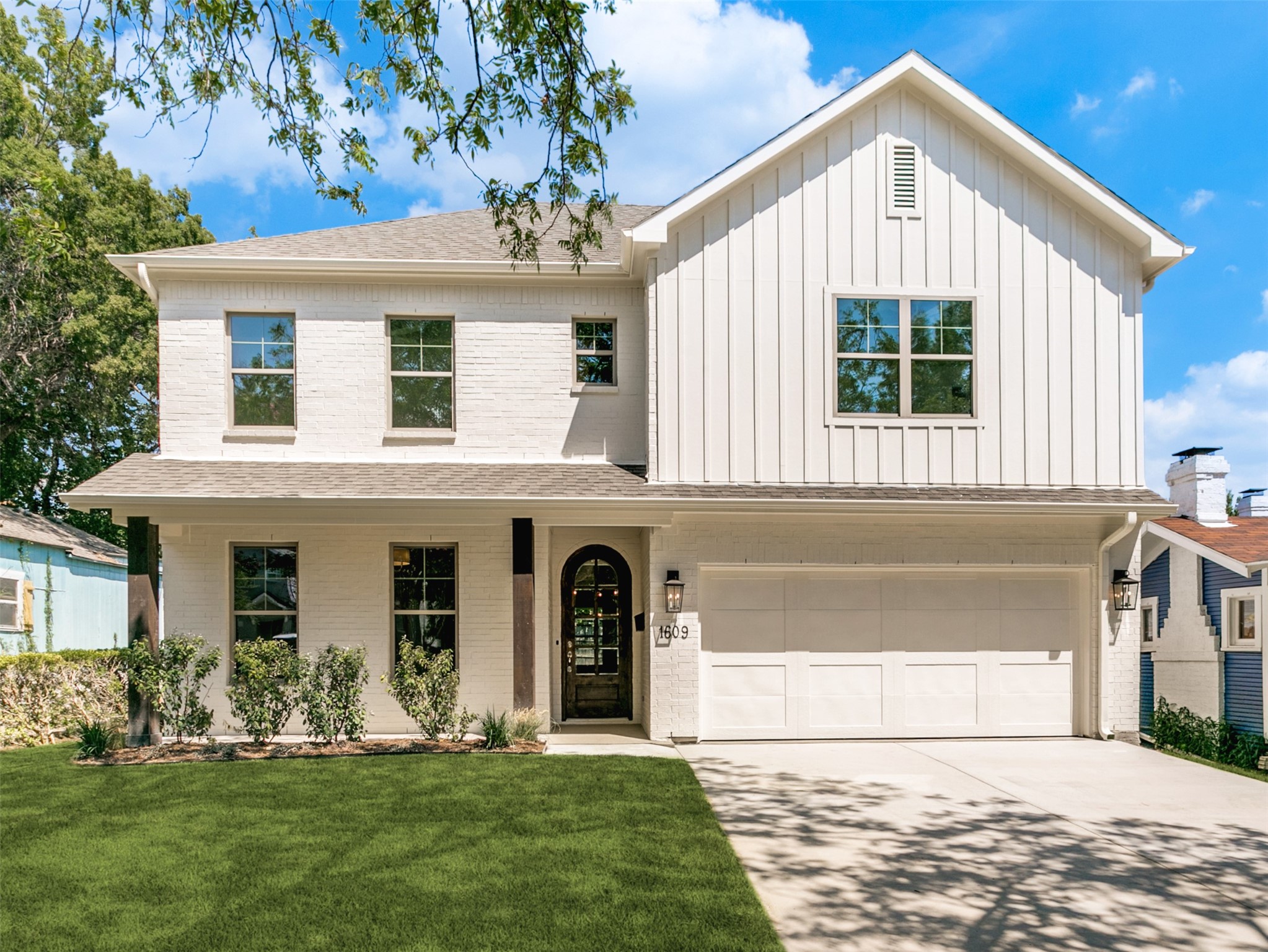
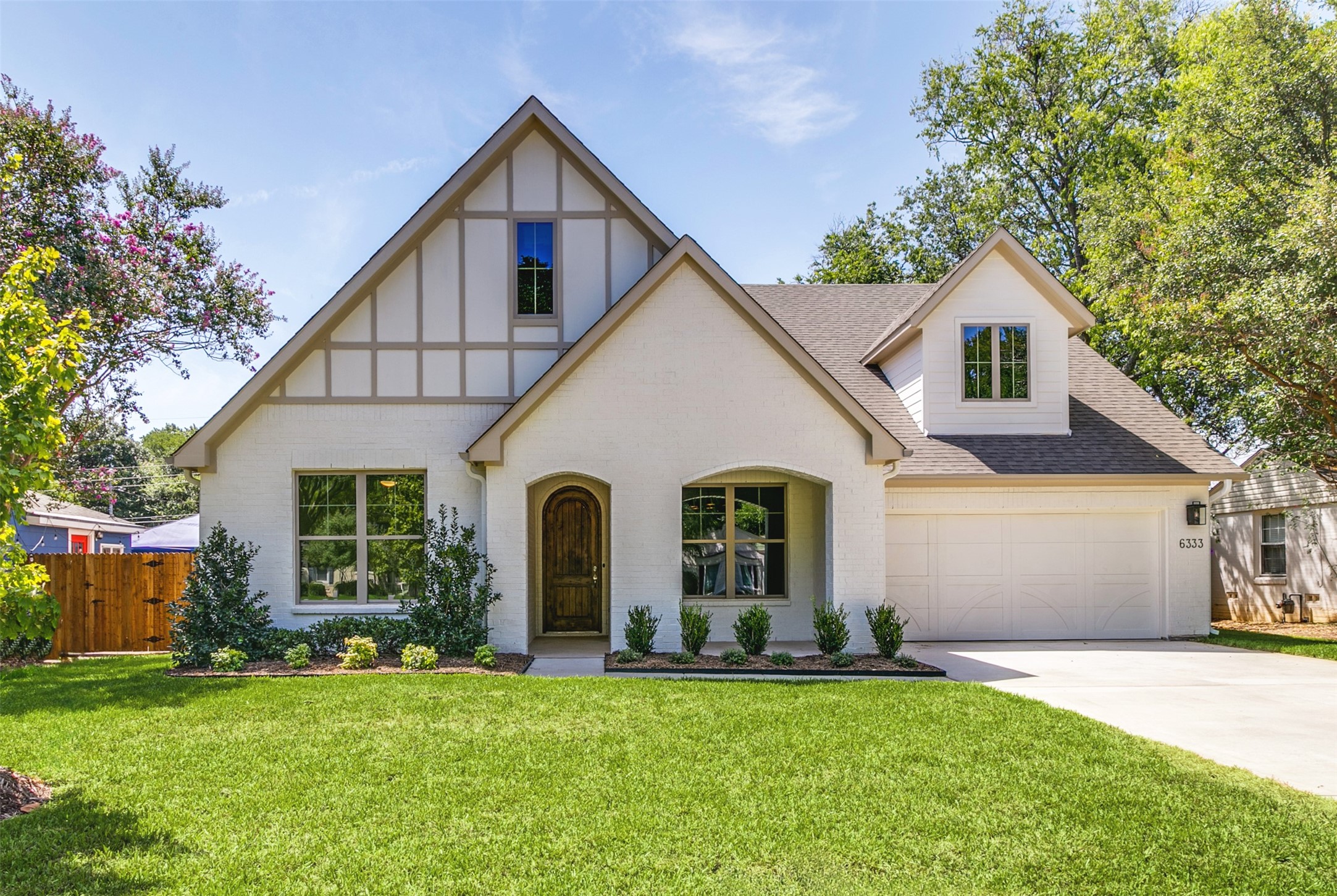
Fort Worth, Texas—famously known as the “City of Cowboys and Culture”—is one of the fastest-growing and most dynamic cities in the United States. Blending Western heritage with modern sophistication, Fort Worth offers a vibrant arts scene, diverse neighborhoods, award-winning dining, world-class museums, and easy access to top employers across the Metroplex. Whether you're searching for historic charm, urban luxury, or family-friendly suburbs, Fort Worth delivers an exceptional lifestyle with housing options for every type of buyer.
From the laid-back energy of the Near Southside to the upscale serenity of Tanglewood and the scenic expanses of West Fort Worth, the city’s variety and character make it one of Texas’s most desirable places to call home.
Fort Worth is a city with deep roots and endless appeal. Residents enjoy a welcoming community, iconic attractions, and a cost of living that remains competitive despite rapid growth.
Highlights include:
Nationally recognized museums in the Cultural District
World-famous Fort Worth Stockyards and Western heritage
Dozens of unique neighborhoods, each with its own personality
Proximity to employers in Fort Worth Alliance, Downtown, and DFW Airport
Exceptional dining—Texas barbecue, steakhouses, craft cocktails, and global flavors
Major universities, including TCU and Texas Wesleyan
Outdoor amenities like the Trinity Trails, lakes, parks, and golf courses
Affordable housing relative to many major metros
Life in Fort Worth is a blend of relaxed Texas charm and modern urban convenience. Residents enjoy a slower, friendlier pace than neighboring Dallas, yet still benefit from world-class entertainment, arts, and dining.
Neighborhoods offer striking variety—from trendy urban lofts and walkable districts to quiet, tree-filled suburbs. Outdoor enthusiasts take advantage of the Trinity River trail system, while families enjoy excellent schools, parks, and community programs. Fort Worth also has a thriving job market, drawing professionals in aviation, transportation, healthcare, tech, energy, and finance.
Despite being one of the largest cities in the country, Fort Worth retains a strong sense of community rooted in authenticity, hospitality, and local pride.
The dominant lifestyle in Fort Worth is a mix of urban cultural living and relaxed suburban comfort. The city appeals to a wide range of residents, from young professionals to established families.
This lifestyle includes:
Walkable urban districts with dining, nightlife, and art
Quiet, established neighborhoods with mature trees and top-tier schools
Master-planned communities with modern amenities
Ranch-style living in outskirts like West Fort Worth and Benbrook
Strong cultural attractions—museums, theaters, music, festivals
An active outdoor lifestyle connected by the Trinity Trails
Whether you’re drawn to upscale suburban living or the energy of a thriving downtown, Fort Worth seamlessly blends both worlds.
Fort Worth is packed with iconic destinations, outdoor adventures, and entertainment options.
Popular attractions include:
Fort Worth Stockyards National Historic District – rodeos, live music, shopping, and cattle drives
Sundance Square – dining, shopping, nightlife, and live events
Cultural District – home to the Kimbell Art Museum, Modern Art Museum, Amon Carter Museum & more
Fort Worth Zoo – consistently ranked among the best in the nation
Botanic Garden & Japanese Garden – peaceful landscapes and walking paths
Trinity Trails – over 100 miles of riverfront hiking, biking, and running
Bass Performance Hall – world-class concerts and productions
TCU-area restaurants and shops – vibrant college-town energy
Clearfork & Waterside – upscale shopping, dining, and outdoor gathering spaces
Fort Worth Nature Center & Refuge – bison, hiking trails, and natural Texas prairie
Fort Worth is served by multiple public school districts, along with excellent charter and private school options.
Major school districts include:
Fort Worth ISD – one of the region’s largest districts, offering specialized academies and magnet programs
Keller ISD – highly rated and popular in North Fort Worth
Northwest ISD – fast-growing, modern campuses, and strong academic programs
Crowley ISD – serving rapidly developing southern areas
Eagle Mountain–Saginaw ISD – known for newer schools and strong extracurriculars
Private and charter options include:
Trinity Valley School
Fort Worth Country Day
All Saints’ Episcopal School
Harmony Science Academy
Texas School of the Arts
Families moving to Fort Worth often choose neighborhoods based on school ratings and access to specialty programs.
Fort Worth is a spread-out city, but many districts offer excellent walkability and easy access to regional transportation.
Highways: I-20, I-30, I-35W, Chisholm Trail Parkway, Loop 820, and Highway 183
Commute Times:
5–15 minutes within most central neighborhoods
35–45 minutes to Dallas
30–40 minutes to DFW International Airport
Public Transit: Trinity Metro bus system, TEXRail commuter rail to DFW Airport, and TRE service to Dallas
Walkable Areas: Downtown, Near Southside, Magnolia, West 7th, and Clearfork
Trails: Extensive Trinity River trail system connects major parks and neighborhoods
Airports: DFW International Airport and Fort Worth Meacham Airport support both commercial and private travel
Founded in 1849 as an Army outpost overlooking the Trinity River, Fort Worth quickly grew into a major cattle, railroad, and trading hub. Its Stockyards district remains one of the most significant historical Western sites in the United States, celebrating the city’s cowboy past through rodeos, cattle drives, music, and architecture.
Over time, Fort Worth expanded into a modern cultural center, home to world-renowned art museums, performing arts venues, and a rich tapestry of neighborhoods. Today, the city maintains its authentic Western roots while embracing innovation, diversity, and urban growth.
Fort Worth’s culture is defined by hospitality, community pride, and a unique blend of heritage and creativity.
Fort Worth offers a wide selection of home styles and settings, appealing to nearly every lifestyle and budget.
Common home types include:
Historic homes in Fairmount, Arlington Heights, and Mistletoe Heights
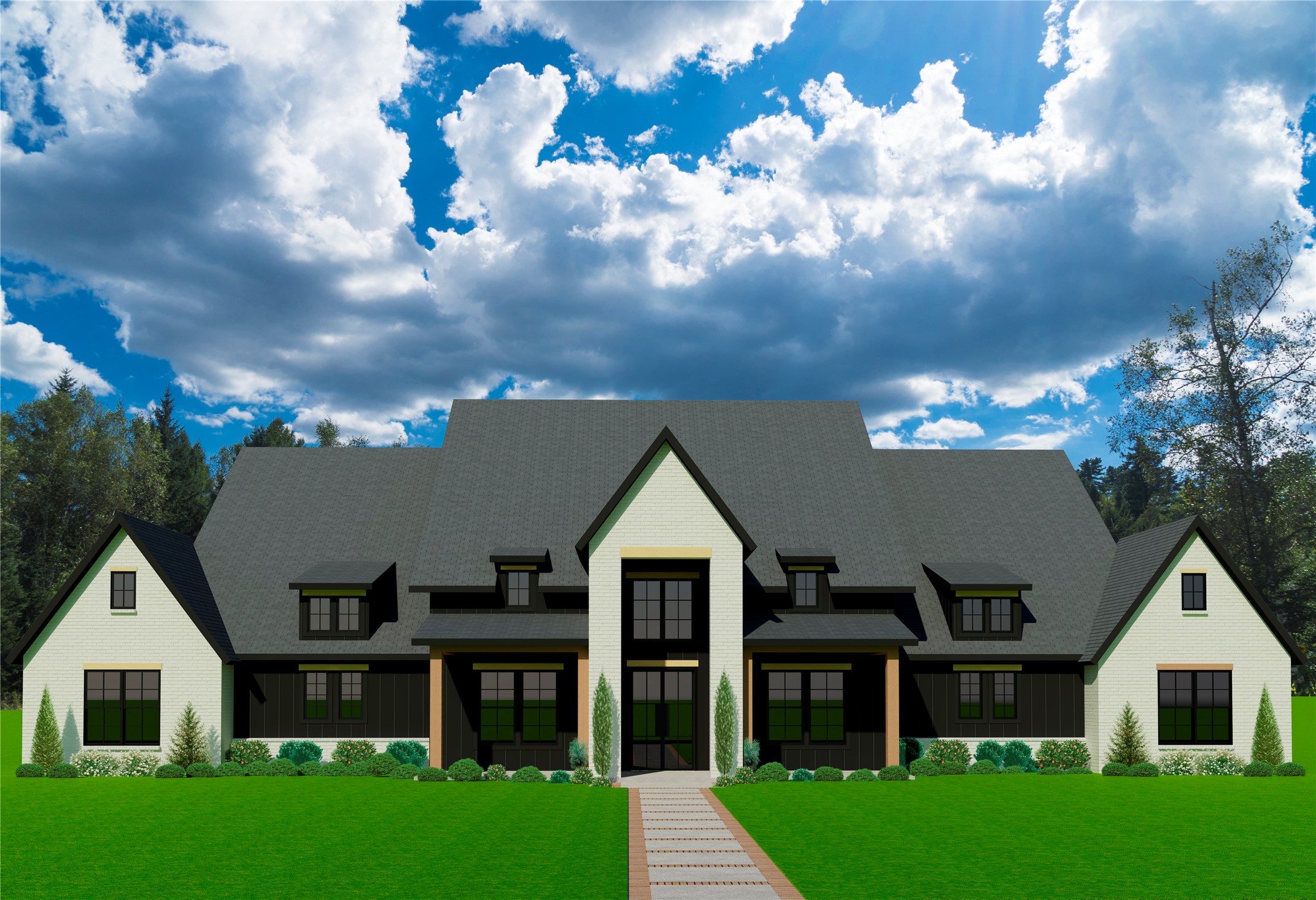
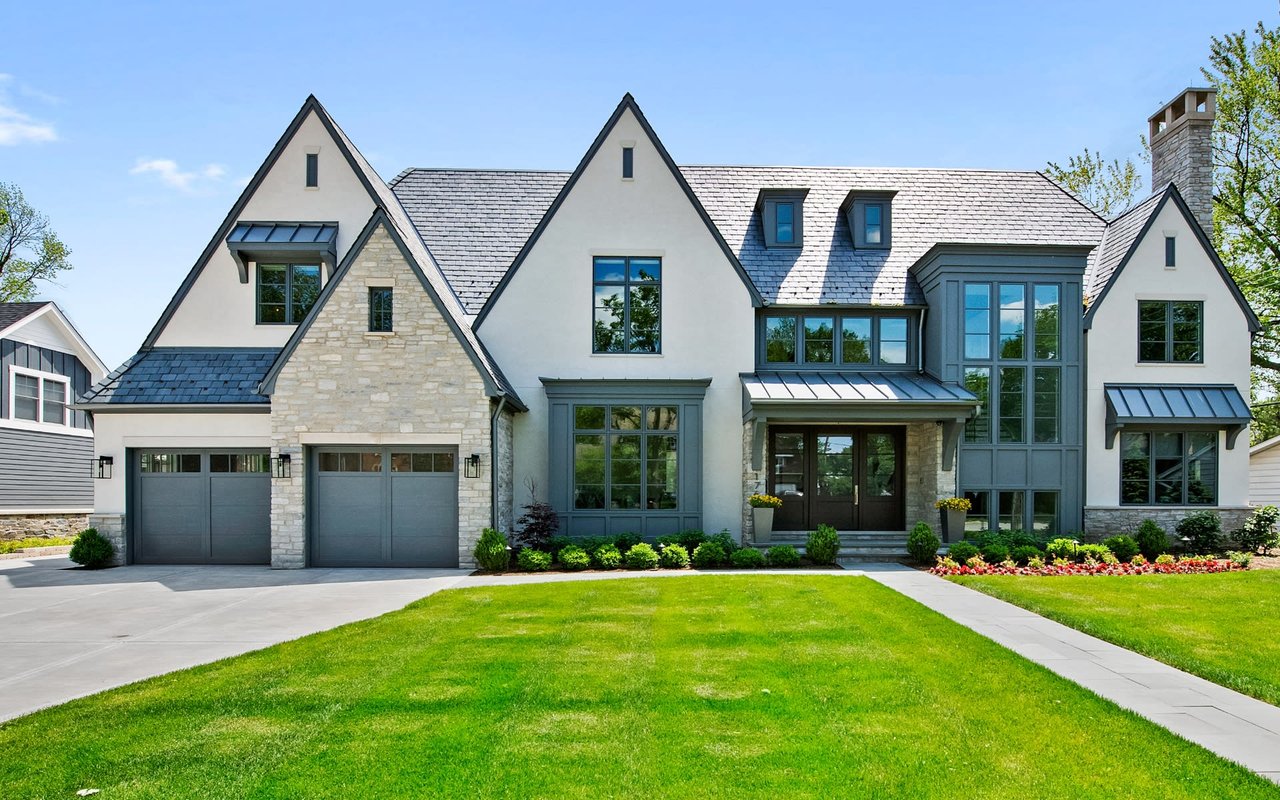
Luxury estates in Westover Hills, Rivercrest, and Montserrat
Modern urban condos and townhomes in Downtown, West 7th, and Near Southside
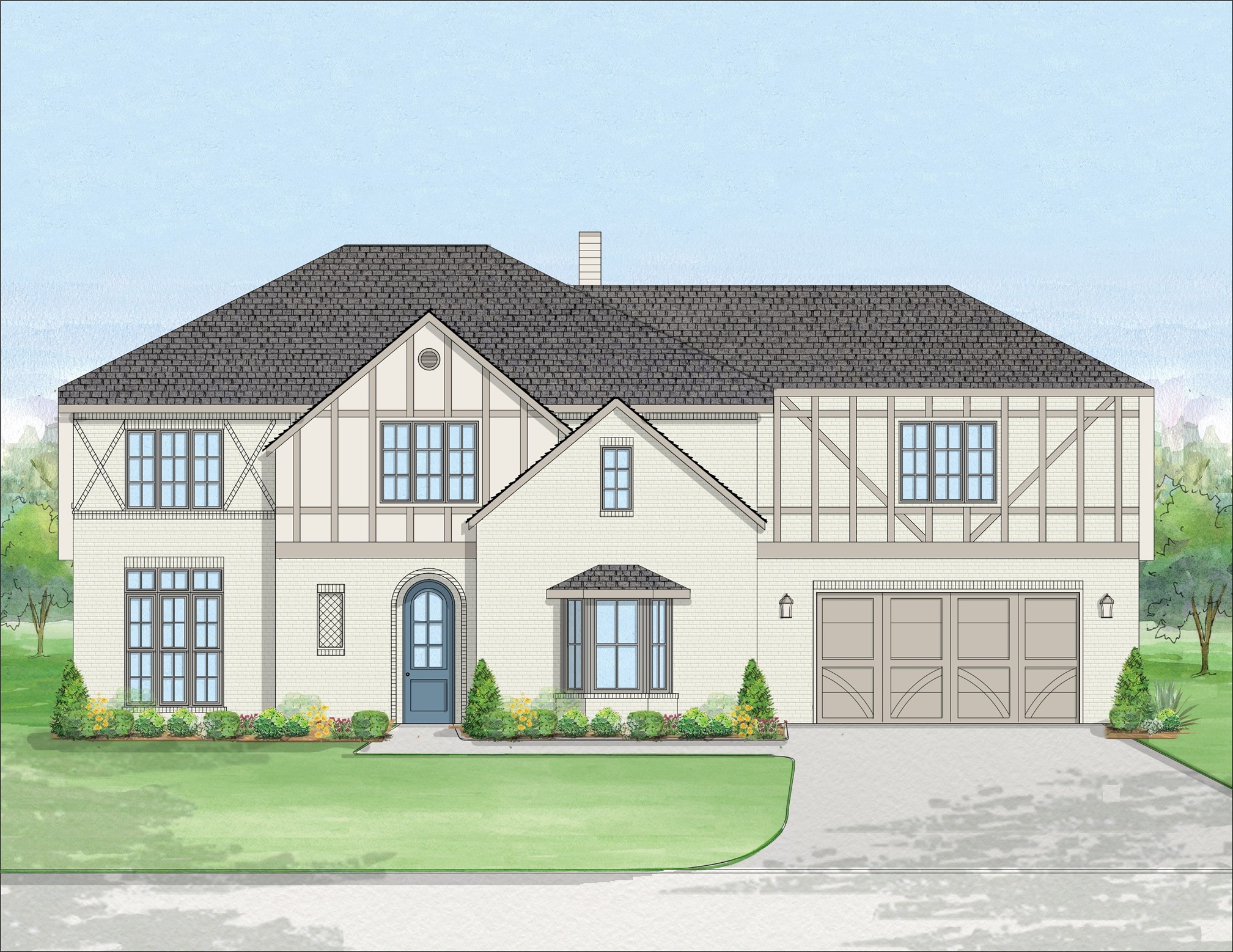
Craftsman and Tudor homes in well-established neighborhoods
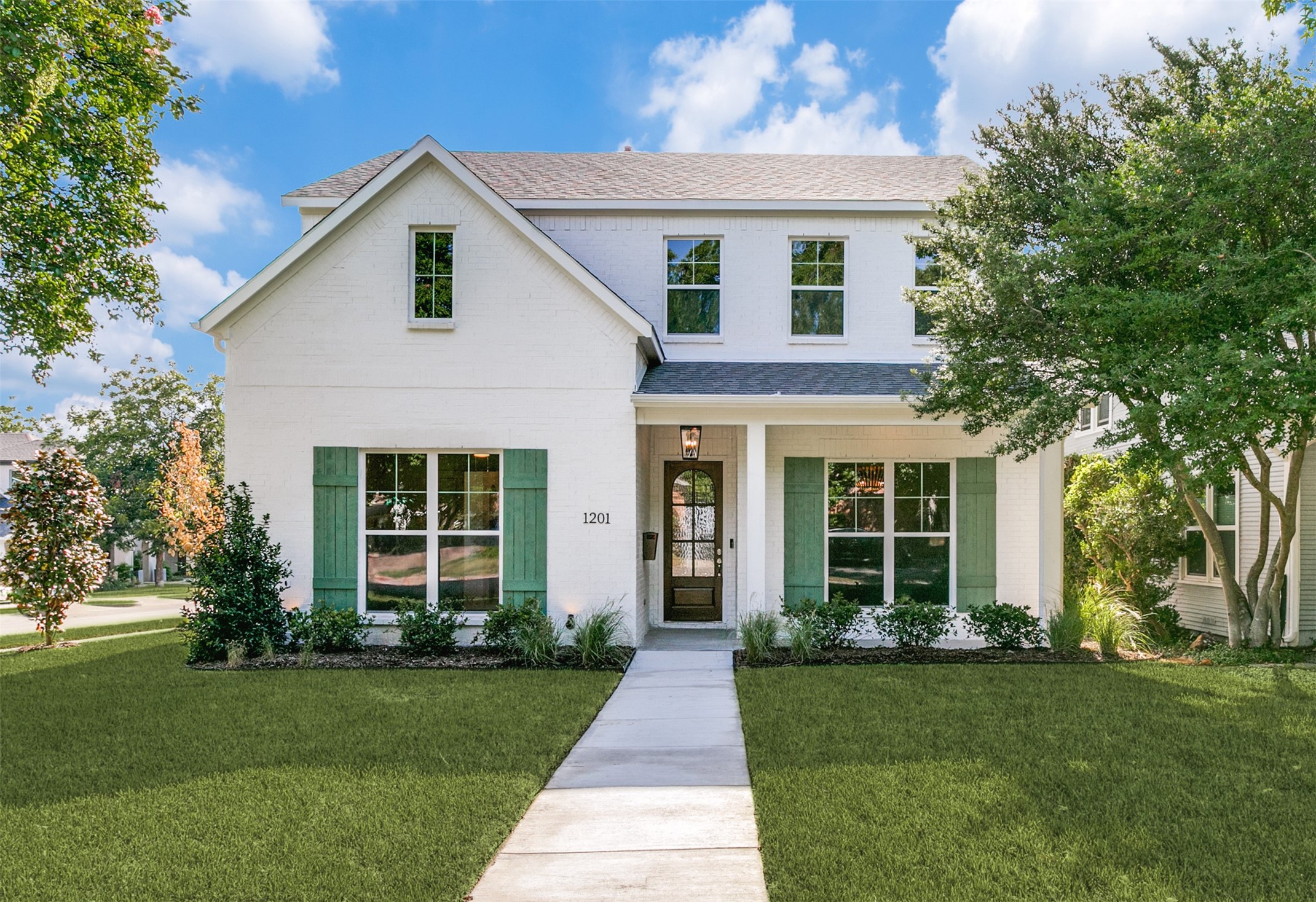
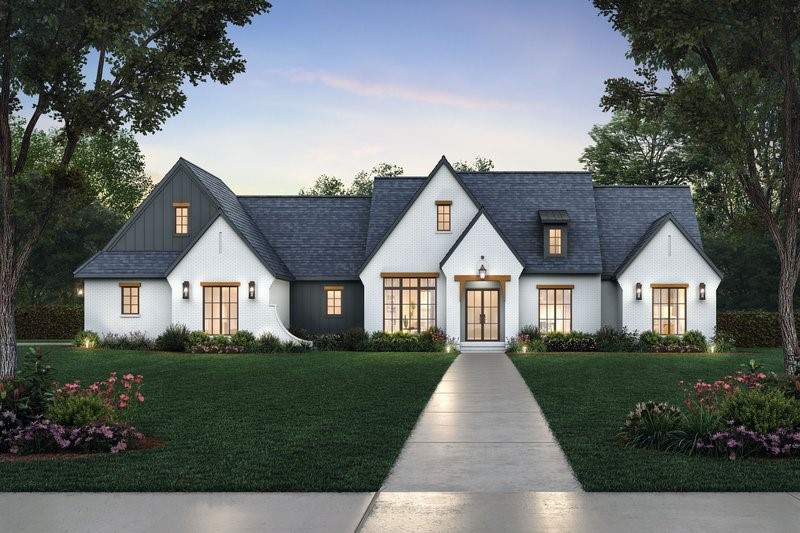
New construction in North Fort Worth, Alliance, and Chisholm Trail Ranch
Ranch-style and larger-lot homes in Benbrook and far West Fort Worth
Architectural styles range from classic 1920s bungalows to contemporary urban builds and sprawling luxury estates.
Fort Worth’s housing market remains strong thanks to population growth, expanding job opportunities, and high demand for both urban and suburban homes.
Current trends include:
Rapid growth in North Fort Worth and the Alliance corridor
Continued high demand for historic homes near downtown
Increased interest in walkable, amenity-rich districts
Competitive pricing in top school zones and luxury neighborhoods
Strong new-construction activity around Chisholm Trail Parkway and westward expansion
Despite growth, Fort Worth still offers competitive home prices relative to many major U.S. cities.
Fort Worth’s neighborhoods offer exceptional diversity, each with its own character and lifestyle benefits.
Top communities include:
Tanglewood & Overton Park – top-rated schools and mature trees
Arlington Heights – historic homes and close to the Cultural District
Fairmount / Near Southside – walkable, trendy, artsy, and historic
Rivercrest & Westover Hills – luxury estates and private golf-course living
Clearfork – modern urban living along the Trinity River
TCU/Westcliff – charming homes near the university
West 7th – vibrant, walkable district with shopping and nightlife
Heritage & Alliance Areas – newer homes with incredible community amenities
Benbrook – lakeside living and quiet suburban streets
The Fort Worth real estate market is diverse, competitive, and full of opportunity. Whether you're buying your first home, relocating from another state, investing, or selling a luxury property, expert guidance is key.
Buyers are drawn to Fort Worth for:
Affordable pricing compared to many major cities
Diverse housing options
Job growth and economic stability
Excellent school options
Strong cultural and outdoor amenities
Sellers benefit from:
Consistent demand
High relocation activity
Strong appreciation in desirable neighborhoods
Low inventory in many segments
With the right strategy, buying or selling in Fort Worth can be a rewarding and seamless experience.
982,017 people live in Fort Worth, where the median age is 34.1 and the average individual income is $36,470. Data provided by the U.S. Census Bureau.
Total Population
Median Age
Population Density Population Density This is the number of people per square mile in a neighborhood.
Average individual Income
Fort Worth has 353,489 households, with an average household size of 2.6290625. Data provided by the U.S. Census Bureau. Here’s what the people living in Fort Worth do for work — and how long it takes them to get there. Data provided by the U.S. Census Bureau. 982,017 people call Fort Worth home. The population density is 3,177.207 and the largest age group is Data provided by the U.S. Census Bureau.
Total Population
Population Density Population Density This is the number of people per square mile in a neighborhood.
Median Age
Men vs Women
Population by Age Group
0-9 Years
10-17 Years
18-24 Years
25-64 Years
65-74 Years
75+ Years
Education Level
Total Households
Average Household Size
Average individual Income
Households with Children
With Children:
Without Children:
Marital Status
Blue vs White Collar Workers
Blue Collar:
White Collar: