Tarrant County, Texas is one of the largest and most diverse counties in the state—home to Fort Worth, Arlington, Southlake, Keller, Mansfield, and dozens of thriving communities. Known for its strong economy, exceptional schools, extensive cultural attractions, and varied housing options, Tarrant County offers a unique blend of urban energy and suburban comfort. Whether you're searching for a walkable city lifestyle, luxury estate living, or peaceful neighborhoods with top-rated schools, Tarrant County provides endless possibilities for homeowners.
Strategically located in the heart of North Texas, the county offers unmatched access to employment hubs, entertainment districts, major universities, and international travel. With rapidly growing suburbs, revitalized urban centers, and neighborhoods full of character, Tarrant County is one of the most desirable places to live in the Metroplex.
Tarrant County appeals to a wide range of residents thanks to its diversity, convenience, and rich quality of life.
Top highlights include:
A mix of vibrant cities, historic districts, upscale suburbs, and rural pockets
World-class attractions like the Fort Worth Stockyards, AT&T Stadium, and Globe Life Field
Access to DFW International Airport, one of the busiest airports in the world
Excellent schools across multiple top-tier districts
A thriving job market in healthcare, aviation, education, tech, logistics, and finance
A highly connected highway system for seamless commuting
Abundant parks, lakes, and outdoor recreation areas
Affordable housing relative to many major U.S. metros
Life in Tarrant County varies beautifully from city to city. In central areas like Fort Worth, you’ll find an urban lifestyle filled with arts, dining, and entertainment. In suburban communities like Southlake, Keller, and Mansfield, daily living centers around family-friendly neighborhoods, parks, and community events. Arlington and Grand Prairie offer excitement through major attractions and sports venues, while towns like Colleyville and Grapevine blend luxury living with small-town charm.
Regardless of location, residents enjoy friendly Texas culture, abundant outdoor activities, and easy access to shopping, schools, and employment centers. Whether you prefer nightlife and culture or peace and open space, Tarrant County has a lifestyle to match.
The dominant lifestyle in Tarrant County is a combination of suburban family living and vibrant urban culture. The county supports every style of living, thanks to its broad geographic footprint and diverse cities.
This lifestyle includes:
Quiet neighborhoods with top-rated schools
Luxury master-planned communities with amenities like pools, trails, and clubhouses
Walkable urban districts with restaurants, nightlife, and entertainment
Lakefront living around Eagle Mountain Lake, Lake Worth, and Lake Arlington
Outdoor recreation through extensive park systems and trail networks
A rich arts and cultural scene, especially in central Fort Worth
From upscale estates to modern apartments, Tarrant County supports every stage of life.
From world-famous sports venues to historic districts, Tarrant County offers an endless variety of attractions and activities.
Top things to do include:
Fort Worth Stockyards – rodeos, live music, dining, and Western heritage
AT&T Stadium (Arlington) – home of the Dallas Cowboys and major concerts
Globe Life Field – home of the Texas Rangers
Six Flags Over Texas & Hurricane Harbor – theme park fun for all ages
Fort Worth Cultural District – Kimbell Art Museum, Modern Art Museum, Amon Carter Museum
Sundance Square – downtown dining, shopping, and events
Grapevine Main Street – wineries, boutiques, festivals, and seasonal events
Southlake Town Square – upscale shopping and restaurants
Eagle Mountain Lake & Lake Arlington – boating, fishing, and waterfront parks
Trinity Trails – hundreds of miles of hiking, biking, and running paths
Entertainment, culture, and outdoor activity are always within reach.
Tarrant County is home to some of the highest-performing school districts in Texas and a wide selection of private and charter schools.
Major public school districts include:
Carroll ISD (Southlake) – consistently one of the top districts in Texas
Keller ISD – strong academics and extracurricular programs
Hurst-Euless-Bedford (HEB) ISD – highly rated and diverse program offerings
Grapevine-Colleyville ISD – known for academics, fine arts, and athletics
Mansfield ISD – rapidly growing with modern campuses
Fort Worth ISD – specialized academies, magnets, and early college programs
Arlington ISD – competitive academic and athletic programs
Birdville ISD – serving Northeast Tarrant with well-regarded schools
Northwest ISD – one of the fastest-growing districts in North Texas
Private school options include:
Trinity Valley School
Fort Worth Country Day
All Saints’ Episcopal School
Nolan Catholic High School
Southwest Christian School
Families moving to Tarrant County often choose their community based on school district preferences.
Tarrant County offers excellent regional connectivity and multiple transportation options.
Highways: I-35W, I-20, I-30, Highway 114, Loop 820, Chisholm Trail Parkway, and SH 360
Airports:
DFW International Airport (major global hub)
Fort Worth Meacham International Airport
Fort Worth Alliance Airport (cargo and corporate aviation)
Public Transit: Trinity Metro bus service, TEXRail commuter train, and TRE rail connecting Fort Worth to Dallas
Walkable Areas: Downtown Fort Worth, Sundance Square, Near Southside, West 7th, Grapevine Main Street, Southlake Town Square, Arlington’s Entertainment District
Trails: The Trinity Trails system and numerous city-specific parks and pathways
While many areas require a car, walkable mixed-use districts continue to expand throughout the county.
Established in 1849, Tarrant County is named after General Edward H. Tarrant and grew rapidly as a center of trade, agriculture, and railroad expansion. Fort Worth, originally an Army outpost, became known as a gateway to the West, thriving on cattle commerce and railroads. Over the years, the region evolved into a powerhouse of industry, aviation, logistics, and culture.
Today, Tarrant County is celebrated for its blend of Western heritage and modern innovation. Museums, festivals, cultural venues, and historic districts keep the area's deep roots alive, while rapid population growth and economic development continue to transform its landscape.
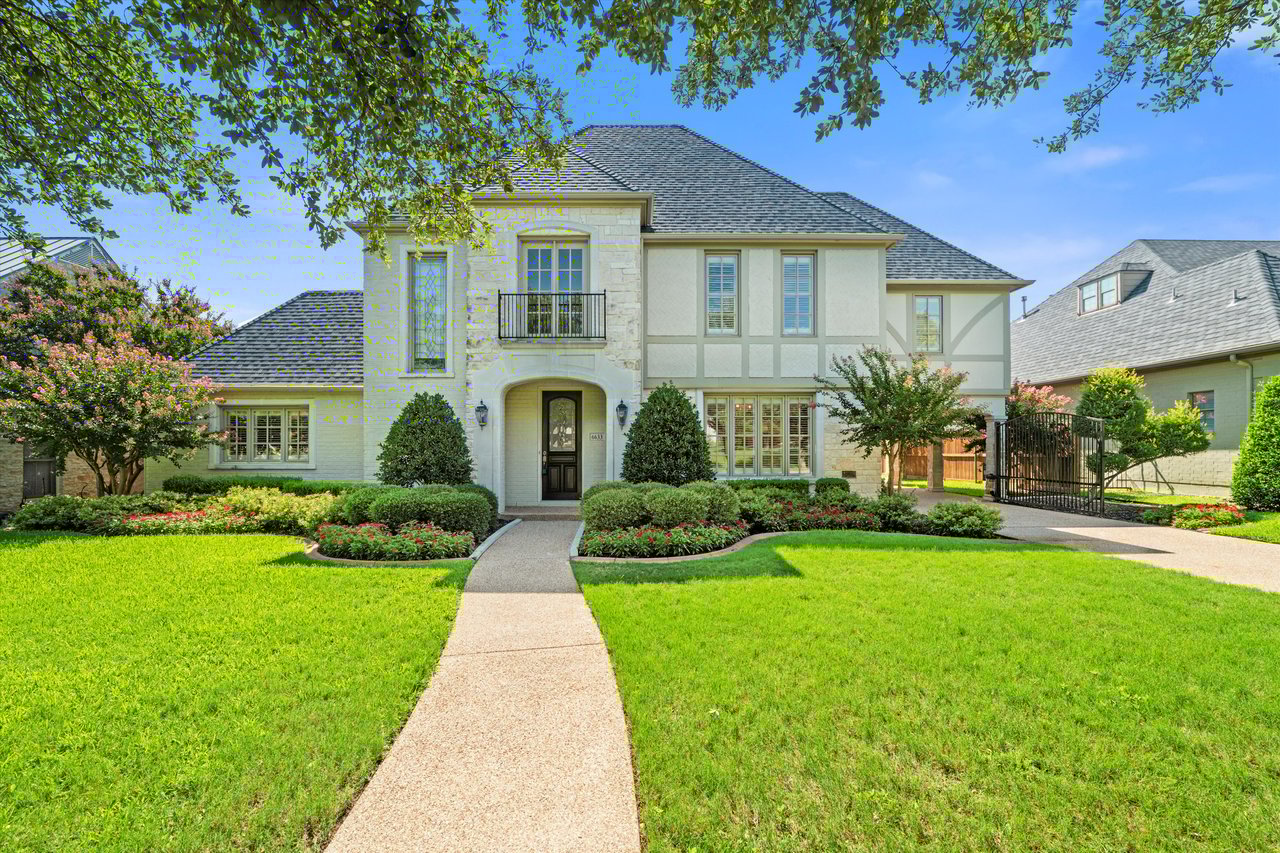
Housing in Tarrant County is incredibly diverse, offering options for every lifestyle, budget, and architectural preference.
Common home types include:
Urban lofts and condos in Downtown Fort Worth and West 7th
Luxury estates in Southlake, Westover Hills, Rivercrest, and Colleyville
Family-friendly suburban homes in Keller, Mansfield, North Fort Worth, and Arlington
Historic bungalows in Fairmount and Arlington Heights
Modern new-construction homes in fast-growing areas like Alliance and Northlake
Golf-course and master-planned community homes throughout the county
From classic Texas ranch homes to contemporary builds with high-end finishes, Tarrant County’s real estate market is one of the most versatile in North Texas.
Tarrant County remains one of the hottest housing markets in Texas due to its strong economy, population growth, and diverse job opportunities.
Current trends include:
High demand for suburban homes with larger lots
Continued development in northern corridors like Alliance and Roanoke
Rising interest in walkable, mixed-use communities
Strong luxury market activity in Southlake, Westlake, and Colleyville
Competitive resale market in established neighborhoods
Ongoing construction of master-planned communities with resort-style amenities
Prices vary widely across the county, making it accessible to first-time buyers, move-up buyers, and luxury-seekers alike.
With dozens of thriving cities and communities, Tarrant County offers some of the most desirable neighborhoods in Texas.
Popular areas include:
Southlake – luxury estates, top-ranked schools, and upscale town center
Colleyville – spacious homes, refined suburban living
Keller – family-friendly neighborhoods and excellent schools
Fort Worth’s Tanglewood & Overton Park – top-tier schools and mature trees
West 7th & Downtown Fort Worth – walkable urban living
Arlington (North & Southwest) – established neighborhoods near major attractions
Grapevine – historic charm, wineries, and strong schools
Mansfield – fast-growing with modern amenities
Alliance/North Fort Worth – new development, shopping, and major employers
Benbrook & Lake Worth areas – peaceful suburban and lakeside living
Each area offers its own strengths, from luxury living to affordability, from walkability to scenic outdoor spaces.
Whether you're entering the market as a buyer, seller, or investor, Tarrant County’s dynamic real estate landscape rewards informed decision-making and expert guidance.
Buyers appreciate:
Wide variety of neighborhoods and price points
Strong school options
Access to jobs, entertainment, and travel
New-construction opportunities
Sellers benefit from:
High regional demand
Competitive offers in desirable areas
Strong appreciation in luxury and suburban markets
Steady population growth
Partnering with a knowledgeable local real estate professional can make navigating this fast-moving and diverse market seamless and successful.
2,135,740 people live in Tarrant County, where the median age is 35.1 and the average individual income is $41,364. Data provided by the U.S. Census Bureau.
Total Population
Median Age
Population Density Population Density This is the number of people per square mile in a neighborhood.
Average individual Income
Tarrant County has 769,285 households, with an average household size of 2.74. Data provided by the U.S. Census Bureau. Here’s what the people living in Tarrant County do for work — and how long it takes them to get there. Data provided by the U.S. Census Bureau. 2,135,740 people call Tarrant County home. The population density is 2,468.26 and the largest age group is Data provided by the U.S. Census Bureau.
Total Population
Population Density Population Density This is the number of people per square mile in a neighborhood.
Median Age
Men vs Women
Population by Age Group
0-9 Years
10-17 Years
18-24 Years
25-64 Years
65-74 Years
75+ Years
Education Level
Total Households
Average Household Size
Average individual Income
Households with Children
With Children:
Without Children:
Marital Status
Blue vs White Collar Workers
Blue Collar:
White Collar: